

That thin crack snaking across your living room wall might seem like a cosmetic nuisance, but it can be a warning sign of something much bigger happening beneath your home. Ignoring it doesn’t make it go away, it often means higher repair bills, lower resale value, and even safety risks down the road. Understanding what causes wall cracks and when to act can save you thousands of dollars and a lot of stress. This guide breaks down the most common causes, warning signs, and solutions so you can make an informed decision about your home.
Identifying the Difference Between Cosmetic and Structural Cracks

Not every crack in your wall signals a serious problem. Hairline cracks that run diagonally and stay under an eighth of an inch wide are often just the result of normal drywall settling or seasonal humidity changes. Structural cracks, on the other hand, tend to be wider, run horizontally, or appear in a stair-step pattern along brick or block walls. Learning to tell these apart is the first step toward deciding whether you need a simple patch job or a professional evaluation.
- Hairline cracks under 1/8 inch are usually cosmetic
- Horizontal cracks often indicate pressure from soil or water
- Stair-step cracks in masonry suggest foundation movement
- Cracks that widen over time need immediate attention
- Cracks near doors and windows may signal frame shifting
Recognizing the Warning Signs of Foundation Movement
Wall cracks rarely show up alone when a foundation is shifting. You might also notice doors that stick, windows that no longer close properly, or uneven floors that slope in one direction. These symptoms together suggest that your home’s foundation is settling unevenly, which can worsen quickly if left unaddressed. Catching these signs early gives you more options and typically lower repair costs.
Many homeowners wait too long because the changes happen gradually and are easy to dismiss. Foundation contractors are trained to spot subtle patterns that connect wall cracks to deeper structural issues, such as soil erosion or poor drainage around the home. A professional inspection can determine whether the movement is minor and stable or an active problem that requires intervention before it spreads further into the structure.
Understanding What Causes Soil Movement Under Your Home

The ground beneath your house is constantly shifting due to moisture changes, temperature swings, and the natural composition of the soil. Clay-heavy soil expands when wet and contracts when dry, creating a cycle of pressure that pushes against your foundation walls. Poor grading around your property can also direct rainwater toward the foundation instead of away from it, accelerating the problem. Knowing your soil type and drainage patterns helps explain why cracks form and where they’re likely to appear next.
- Clay soil expands and contracts with moisture changes
- Poor grading directs water toward the foundation
- Tree roots can pull moisture unevenly from the soil
- Drought conditions can cause soil to shrink and settle
- Heavy rainfall can saturate soil and increase hydrostatic pressure
Choosing the Right Professional for a Foundation Inspection
When cracks suggest something more serious than surface-level settling, calling a foundation repair company for an inspection is the smartest next step. These specialists use tools like laser levels and moisture meters to measure how much your foundation has shifted and in which direction. They can also identify whether the issue stems from soil conditions, water infiltration, or a structural weakness in the original construction. Getting an accurate diagnosis early prevents unnecessary repairs and helps you budget for the actual fix needed.
A reputable inspector will walk you through their findings in plain language and provide a written report, not just a verbal estimate. This documentation becomes valuable if you decide to sell your home later, since buyers and their agents often want proof that any structural concerns were properly addressed. Take time to compare a few inspection reports before committing to a repair plan.
Repairing Uneven Concrete Slabs and Sunken Sections
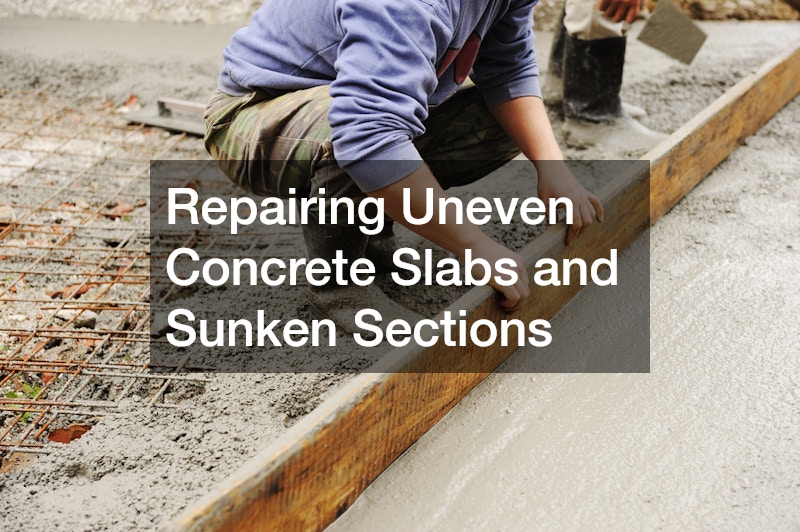
Cracks in walls sometimes trace back to uneven concrete slabs beneath floors, patios, or garage areas rather than the foundation itself. When a slab settles unevenly, it can pull connected walls out of alignment and create visible cracking along seams and corners. Soil erosion, poor compaction during the original pour, or plumbing leaks underneath the slab are common culprits behind this kind of settling.
Concrete leveling is a common solution that raises sunken sections back into place without the cost and mess of full slab replacement. This process typically involves injecting a leveling material, such as polyurethane foam or a cement-based slurry, beneath the slab to lift it gradually and evenly. Most jobs take only a few hours to complete, and the surface is often ready for foot traffic the same day.
A sunken slab of even half an inch can be enough to stress the walls above it, so catching the problem early tends to keep repair costs lower. Homeowners should also watch for gaps forming between the slab and the foundation wall, doors that stick, or floors that slope noticeably toward one side of a room. Addressing these signs before they worsen can prevent the kind of secondary wall cracking that’s far more expensive to fix once it spreads.
- Concrete leveling (also called slab jacking or polyurethane foam injection) is faster and less invasive than tearing out and replacing a slab
- It works well for driveways, garage floors, patios, walkways, and pool decks with minor to moderate sinking
- Technicians drill small holes, roughly the size of a dime, and pump material underneath to lift the slab back into place
- Results are often visible within a few hours, and most surfaces can handle foot traffic the same day
- Leveling the slab reduces the ongoing stress that uneven ground places on adjoining walls and foundations, helping prevent new cracks
- Costs are generally lower than full concrete replacement, often 30% to 50% less depending on slab size and material used
- It’s best suited for slabs that are still structurally sound; badly crumbled or fractured concrete may still need replacement
Selecting a Qualified Contractor for Concrete Repairs
Once you know a slab or foundation footing needs attention, finding the right concrete company matters just as much as the repair method itself. Ask potential contractors how long they have been in business, whether they carry insurance, and if they can provide references from similar projects in your area. A trustworthy concrete service will offer a written estimate that breaks down materials, labor, and expected timelines rather than a vague lump sum. Taking these steps protects you from subpar work that could lead to repeat cracking down the line.
It also helps to understand the difference between contractors who handle large-scale commercial jobs and those who specialize in residential repairs like yours. A crew focused on homes often provides more personalized attention, flexible scheduling, and a better feel for the specific stresses that affect houses, such as soil settling or seasonal shifting. Contractors geared toward bigger commercial work may have specialized equipment, but that doesn’t always translate into better results for a small crack or a sunken porch slab. Matching the contractor’s experience and specialty to your specific repair needs usually leads to better results and fewer surprises.
Comparing Quotes From Nearby Repair Specialists

Getting multiple opinions before starting any concrete or foundation project is one of the best ways to avoid overpaying or settling for inferior work. Reaching out to several local concrete contractors allows you to compare pricing, materials, and warranty terms side by side. A well-established concrete business often has a track record of past jobs and customer reviews you can check before committing. Prices can vary significantly depending on the extent of damage, soil conditions, and the repair method recommended, so a range of quotes gives you a clearer picture of fair market value. Always ask what the warranty covers and how long it lasts before signing any agreement.
- Request at least three quotes for larger projects
- Compare warranty length and coverage details
- Ask about the specific repair method each contractor recommends
- Check online reviews and ask for local references
- Confirm whether permits are included in the quote
Addressing Related Repairs Once the Structural Issue Is Fixed
Fixing the root cause of wall cracks is only part of the process, since the repair often creates a need for cosmetic and functional touch-ups elsewhere in the home. Cutting into drywall to access studs, pipes, or foundation anchors typically leaves behind holes and seams that need patching, sanding, and repainting to blend with the surrounding wall. Baseboards, crown molding, and door frames near the repair site may also shift slightly or get damaged during the work, requiring trim replacement or recaulking.
Many homeowners use this disruption as an opportunity to bundle in other upgrades they’ve been putting off, like repainting an entire room instead of just the patched section, or swapping outdated trim throughout the house for a more cohesive look. Since walls are already opened up, it’s also a practical time to address minor electrical or insulation issues hiding behind the drywall.
Hiring remodeling services at this stage can be efficient, since contractors already familiar with your home’s layout can address multiple issues in one coordinated project. A single team handling structural repair, patchwork, and painting typically finishes faster than juggling separate specialists, and often at a better combined price than piecemeal quotes. This also reduces the disruption of having different crews in and out of your house at separate times, which matters if you’re managing the project around work schedules or young kids at home.
Foundation repair is rarely an isolated fix. Once crews address the structural issue, it is common to discover secondary problems in areas connected to that part of the house, and the garage is a frequent culprit.
If the structural work involved your garage foundation, you may notice the garage door no longer opens and closes smoothly afterward. Settling can shift the concrete slab just enough to throw tracks out of alignment, tilt the door frame, or trigger the safety sensors that prevent the door from closing properly. Even a quarter-inch shift in the slab can cause the door to bind, stick, or reverse unexpectedly mid-cycle.
Garage door companies can realign tracks, re-square the frame, and recalibrate sensors that were thrown off during the settling or repair process, restoring safe and quiet operation. Many will also inspect the springs, rollers, and opener motor while they’re at it, since strain from a misaligned door often shows up in these parts first. Expect this kind of service call to run anywhere from $100 to $300 depending on how extensive the adjustment is.
It is worth scheduling this inspection soon after foundation work is completed, ideally within a few weeks, rather than waiting for problems to worsen. A misaligned door forces the motor and hardware to work harder with every open-and-close cycle, which wears down components faster than normal use would. Catching the issue early is a small expense compared to replacing an opener or spring assembly down the road.
Protecting Repaired Surfaces From Future Moisture Damage
After investing in structural repairs, protecting the surfaces most exposed to moisture helps your fix last longer. Garage floors, basements, and utility rooms are particularly vulnerable to water infiltration, which can undo repair work if left unaddressed. Applying epoxy floor coatings creates a durable, water-resistant barrier that also resists stains, oil, and cracking from minor shifts. This kind of finishing touch is a practical way to extend the life of your repair investment while improving the overall look of the space.
Wall cracks are rarely just a cosmetic issue, and understanding their root cause is the key to protecting both your home’s value and your family’s safety. Whether the fix involves soil correction, slab leveling, or a full foundation repair, addressing the problem early almost always costs less than waiting. Take the time to get a professional inspection, compare a few contractor quotes, and tackle any related repairs while the work is already underway. Acting now puts you back in control of your home’s condition instead of letting small cracks turn into bigger problems.