
You don’t need a six-figure renovation to make your home worth more. Some of the biggest returns on investment come from small, focused projects you can knock out in a weekend or hire out quickly without disrupting your whole household. The key is knowing which upgrades buyers and appraisers actually notice, versus the ones that just look nice on a home improvement show.
Here are some practical, high-impact updates that quietly add value while making your home more enjoyable to live in right now.
Refresh Your Deck With Low-Maintenance Materials
An aging wood deck with splintered boards and a graying finish can drag down curb appeal even if the rest of your home looks great. Swapping worn boards for composite decking gives you a clean, modern look without the annual staining and sealing that wood demands. Composite materials resist rot, fading, and insect damage, which matters a lot to buyers who don’t want another maintenance project on their plate. Many homeowners find that a deck resurfacing over a single weekend, paired with new railings, is enough to transform the entire backyard’s feel.
Beyond looks, composite decking tends to hold up better in resale conversations because appraisers and inspectors can point to its durability as a selling point. It’s also available in enough colors and textures now that it convincingly mimics natural wood grain. If your existing deck structure is sound, you may only need to replace the surface boards, which keeps the project affordable and fast.
- Composite boards typically carry 25- to 50-year warranties against rot and fading
- Low maintenance means no sanding, staining, or annual sealing
- Available in multiple colors to match your home’s exterior palette
- Resistant to moisture damage, which is common in wood decks near grade level
Replace an Aging Fence for Instant Curb Appeal
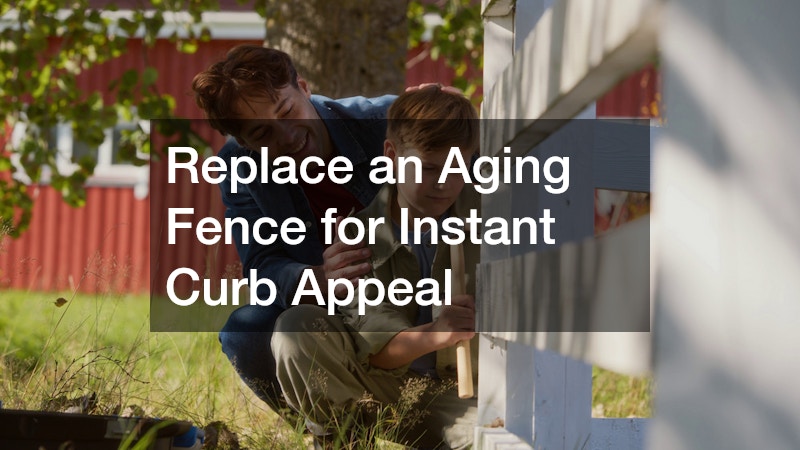
A leaning, weathered fence is one of the first things visitors and potential buyers notice, and it can make an otherwise well-kept yard look neglected. Calling a fence company for a quote is often faster than people expect, since many can assess your property and provide an estimate within a day or two. Replacing rotting posts or warped panels doesn’t just improve appearance; it also signals that the property boundary and privacy features are solid and up to code.
If you’re deciding between materials, vinyl fence installation has become a popular choice because it resists warping, cracking, and fading better than traditional wood over time. It also requires virtually no upkeep beyond occasional washing, which appeals to buyers who want low-maintenance outdoor features. A professional fence company can usually complete a standard residential installation within a weekend, minimizing disruption to your yard and daily routine.
- Vinyl fencing resists weather damage better than wood in most climates
- Professional installation ensures proper post depth and alignment for longevity
- New fencing can improve both privacy and perceived security
- Many companies offer same-week installation for standard lot sizes
Upgrade Your Kitchen Counters Without a Full Remodel
Kitchens sell homes, and countertops are one of the first surfaces buyers touch and evaluate. Installing quartzite counters is a popular weekend-friendly upgrade because templating and installation can often be scheduled back-to-back, especially if your cabinet layout stays the same. Quartzite offers a natural stone look with excellent heat and scratch resistance, making it a practical option for busy kitchens.
Unlike a full kitchen remodel, swapping just the countertops lets you keep your existing cabinets and layout while still delivering a dramatic visual update. Quartzite counters also tend to photograph beautifully for listings, which matters if you’re preparing to sell within the next year or two. Because the material is naturally quarried stone, each slab has unique veining, giving your kitchen a custom, upscale feel without custom pricing.
- Quartzite is heat- and scratch-resistant, ideal for daily cooking use
- Each slab has unique natural veining for a one-of-a-kind look
- Installation can often be completed within a day once measurements are finalized
- Pairs well with most existing cabinet finishes and colors
Inspect and Patch Your Roof Before Small Issues Grow
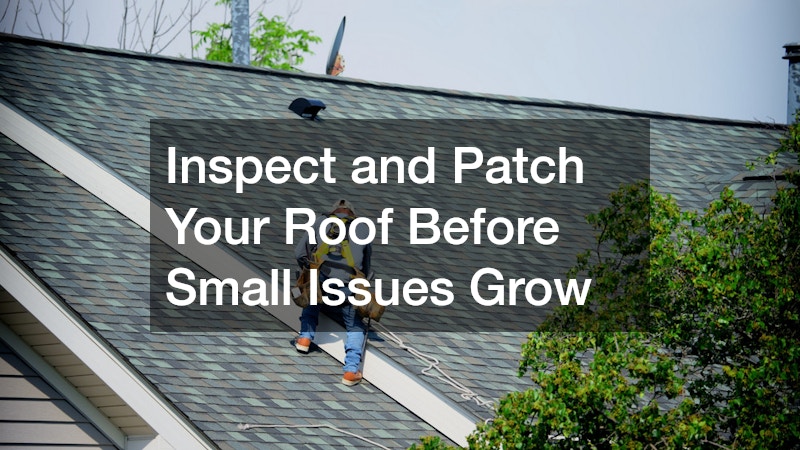
Roof problems rarely start big; they usually begin as a single lifted shingle or a small area of granule loss that goes unnoticed until it leaks. Scheduling a walkthrough with a roofing company once a year, ideally before storm season, helps catch these issues while they’re still cheap and quick to fix. A minor repair completed in a weekend can prevent thousands of dollars in water damage down the line.
When you do need repairs, experienced roofers can typically assess damage, source matching materials, and complete patchwork in a single visit for straightforward jobs. Buyers and inspectors both view roof condition as a major value factor, since it directly affects insurance costs and future maintenance. Keeping documentation of repairs and inspections also gives you useful proof of upkeep when it’s time to sell.
- Annual inspections catch small issues before they require full replacement
- Missing or curling shingles are early warning signs worth addressing quickly
- Documented repairs can support a stronger asking price at resale
- Gutter and flashing checks often accompany a thorough roof inspection
Add Shade and Comfort With a Retractable Cover
Outdoor living space adds real value, but not every yard needs a full patio cover to feel more usable. Retractable awnings let you extend shade over a deck or patio on hot afternoons, then retract them when you want full sun, giving you flexibility that a permanent structure can’t match. This kind of upgrade can be installed in a single weekend and immediately makes outdoor seating areas more comfortable for entertaining or relaxing.
Working with an established awning company also means you can choose motorized or manual options depending on your budget, along with fabric colors that complement your home’s exterior. Many models include wind and sun sensors that automatically retract the awning during bad weather, protecting the fabric from unnecessary wear. Because they’re a visible upgrade that improves usable square footage, awnings are frequently noted as a value-add during home showings.
- Motorized options allow one-touch shade control from a wall switch or remote
- Sensor-equipped models retract automatically in high wind or rain
- Available in a range of fabric colors and patterns to match outdoor decor
- Extends usable patio time during both sunny and mildly rainy days
Repave or Seal Your Driveway for a Stronger First Impression
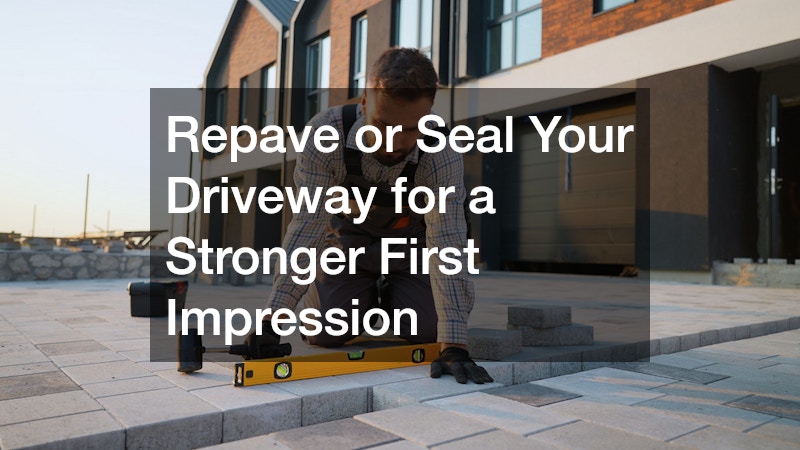
A cracked or crumbling driveway is one of the fastest ways to make a home look neglected, even if everything inside has been beautifully maintained. Bringing in asphalt contractors for a resurfacing or seal coating job is often a one- to two-day project that dramatically improves the approach to your home. Fresh asphalt also reduces tripping hazards and prevents small cracks from expanding into costly structural repairs.
Seal coating is generally recommended every two to three years to protect against sun damage and water infiltration, both of which weaken asphalt over time. If your driveway has extensive cracking or potholes, a full repave might be more cost-effective than repeated patch jobs. Either way, a smooth, well-maintained driveway is consistently cited by real estate agents as a detail that shapes a buyer’s first impression before they even walk through the front door.
- Seal coating every two to three years extends driveway lifespan significantly
- Cracks left untreated tend to widen with freeze-thaw cycles
- A repaved driveway can be completed in as little as one to two days
- Smooth, dark asphalt boosts curb appeal instantly
Remove Hazardous or Overgrown Trees Before They Cause Damage
Large trees add beauty and shade, but ones that are dead, diseased, or growing too close to your roofline can pose real risks to your home’s structure and safety. Warning signs include cracked or hollow trunks, fungus growing at the base, large dead branches, and roots that have started lifting your foundation or driveway. If you notice any of these on a weekend walk around your property, it’s worth calling in an arborist before the problem grows literally out of control.
Scheduling tree removal for a hazardous tree is often more affordable than dealing with storm damage after a limb falls on your roof or fence. A single fallen limb can easily cause thousands of dollars in roof repairs, not to mention potential injury or damage to a car, deck, or power line. Removal costs typically run a few hundred to a couple thousand dollars depending on the tree’s size and location, which is a fraction of what emergency storm cleanup and repairs can cost.
It also opens up sunlight for your lawn and landscaping, which can improve overall curb appeal. Better light exposure often means a healthier, greener lawn and more options for flower beds or garden features that appraisers and buyers notice. Removing overcrowded or overhanging trees can also make your yard feel larger and more usable, which is a subtle but meaningful selling point.
A reputable tree removal crew will typically assess root systems, trunk health, and canopy balance before recommending removal versus trimming, since not every problem tree needs to come down entirely. Warning signs worth watching for include cracked or hollow trunks, mushrooms growing at the base, exposed roots, and branches that lean noticeably toward the roofline. A certified arborist can usually spot these red flags during a 30-to-60-minute walkthrough, often for less than $150.
Removing overgrown or leaning trees near the foundation can also prevent long-term issues with root intrusion into pipes, driveways, and sewer lines, where repairs can easily run into the thousands. As a general rule, trees planted within 10 to 15 feet of a foundation carry a higher risk of this kind of damage, especially fast-growing species like willows or silver maples.
This is a project best handled by professionals, since improper removal can damage nearby structures, fences, or utility lines, and can even result in injury given the weight and height involved. Licensed crews carry insurance to cover accidental property damage, which matters if a tree falls near a power line or shared property boundary. They’ll also handle stump grinding and debris hauling, saving you a separate weekend project and leaving the yard buyer-ready.
- Dead, leaning, or storm-damaged trees near the home significantly raise the risk of falling limbs or trunks during high winds, ice storms, or heavy rain
- Trees within 15-20 feet of a structure pose the greatest threat, especially those with visible cracks, fungal growth, or dead branches in the canopy
- Aggressive root systems (common in willows, poplars, and silver maples) can crack foundations, buckle driveways, and infiltrate sewer or water lines
- A certified arborist can assess trunk stability, root health, and proximity risks to recommend removal versus selective trimming
- Removal costs typically range from a few hundred dollars for small trees to over $1,500 for large, hazardous ones, but this is often cheaper than storm-damage repairs
- Thinning or removing overgrown trees allows more sunlight to reach the lawn, improving grass density and reducing bare patches
- Clearing hazardous trees also boosts curb appeal and reassures potential buyers during home inspections
Confirm Your Roof’s Condition Supports Any Exterior Upgrades
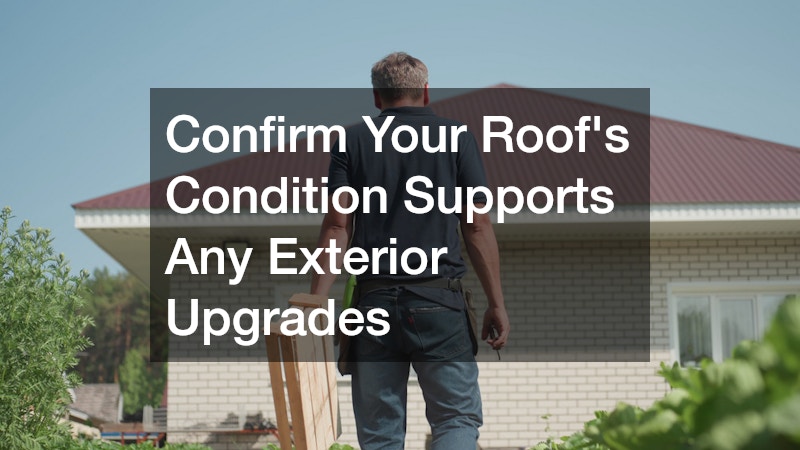
Before investing in things like awnings, fencing, or driveway work, it’s worth double-checking that your roof isn’t quietly undermining your other improvements. If an inspection turns up flashing issues or aging shingles, it makes sense to address those first since roof leaks can damage freshly updated siding, trim, or attached structures. Sequencing your upgrades this way protects your investment and avoids redoing work later.
Homeowners sometimes overlook how interconnected these systems are, updating a deck or patio cover without realizing runoff from a damaged roof is pooling nearby. Walking the perimeter of your home after a heavy rain to check drainage and flashing during your next exterior project can save you from costly surprises. Thinking of your roof as the anchor point for other upgrades helps you prioritize spending in the right order.
- Flashing and drainage issues can undermine nearby exterior upgrades
- Addressing roof problems first protects new decking, fencing, or paving work
- Runoff patterns should be checked before installing patio covers or awnings
- Checking gutters and downspouts for clogs can prevent costly rework down the line
None of these upgrades require months of construction or a massive budget, just a clear-eyed look at which projects deliver the most value for the effort involved. Start with whichever area is most visibly worn, whether that’s a cracked driveway, an aging deck, or a fence that’s seen better days, and tackle it before it becomes a bigger, more expensive problem. Getting a few professional quotes this weekend is a low-pressure way to see what’s realistic for your budget and timeline. Small, smart updates add up, and your home’s value will reflect the care you put into it.