Clutter doesn’t happen overnight—it builds gradually as items accumulate faster than they’re organized or removed. Over time, even well-intentioned storage systems can break down, leaving you with overcrowded spaces that feel stressful and inefficient. Whether it’s a packed garage, overflowing closets, or a disorganized yard, clutter can impact both your productivity and peace of mind.
The key to long-term organization isn’t just removing items—it’s creating systems that are practical, sustainable, and tailored to your lifestyle. By combining smart decluttering strategies with intentional storage solutions, you can transform your space into something that works for you instead of against you.
Start with a Full Property Assessment and Decluttering Plan

Before jumping into organizing, you need a clear understanding of what you’re working with. A full assessment allows you to identify problem areas and prioritize your efforts effectively. Without this step, it’s easy to waste time organizing items that don’t belong or overlooking major clutter zones.
Start by walking through your entire property and taking note of where clutter tends to accumulate. Pay attention to both obvious messes and subtle inefficiencies, like overcrowded drawers or underused storage areas. It’s also helpful to think about how each space is used daily and whether clutter is interfering with that function.
How to assess your space effectively:
- Walk room-by-room and write down clutter “hotspots.” This creates a clear roadmap so you can tackle the most impactful areas first.
- Take photos of each space to identify problem areas visually. Photos help you see your space objectively and notice patterns you may overlook daily.
- Measure storage areas to understand capacity limits. Knowing your limits prevents overfilling and helps you plan better systems.
- Note duplicate items (multiple tools, gadgets, etc.). Duplicates often go unnoticed but contribute heavily to clutter.
- Identify items stored in the wrong location. Misplaced items create confusion and unnecessary mess.
Taking the time to properly assess your space ensures you’re not just moving clutter around but actually solving the root of the problem. This step creates clarity and makes the rest of the process far more efficient. It also helps you prioritize high-impact changes that will make the biggest difference quickly. In many cases, you’ll find that a large percentage of clutter comes from just a few key areas.
After your assessment, create a sorting system to guide your decisions.
- Keep: Items used regularly and essential to daily life
- Donate/Sell: Items in good condition but no longer needed
- Dispose: Broken or unusable items
- Relocate: Items that belong elsewhere
This system simplifies decision-making and prevents hesitation. For large-scale cleanouts, garbage removal services can help eliminate waste quickly, while a dumpster rental allows you to keep momentum without constant trips back and forth. These tools are especially useful when dealing with bulky or heavy items that would otherwise slow down your progress. Having disposal options ready ahead of time also prevents second-guessing and keeps your project moving forward.
Clear Out Unused Vehicles and Bulky Outdoor Items
Large items are often the biggest contributors to clutter, especially when they’re no longer being used. Old vehicles, trailers, and equipment can take up valuable space while serving little purpose. Removing them can instantly improve both the appearance and functionality of your property.
How to identify what should go:
- Look for items untouched for over a year. Long periods of inactivity usually mean the item no longer adds value.
- Check for broken or non-functional equipment. Items waiting for repair often remain unused indefinitely.
- Evaluate whether repairs are worth the cost. If it’s not practical to fix, it’s likely not worth keeping.
- Consider actual usage, not intended use. Be realistic about your habits rather than future plans.
These steps help you make objective decisions instead of holding onto items out of habit or sentiment. Removing large, unused items can instantly open up significant space. It also makes it easier to organize and maintain the items you choose to keep. In many cases, clearing just a few oversized items can dramatically change how open and functional your space feels.
Selling junk cars for cash is one of the easiest ways to remove unwanted vehicles while gaining some return. Once cleared, organizing remaining vehicles with rv storage helps protect them and keeps your space structured and intentional. This approach not only improves organization but also extends the lifespan of your vehicles by keeping them properly stored. It also helps prevent clutter from slowly building back up in driveways and outdoor areas.
Create Dedicated Zones for Seasonal and Recreational Storage
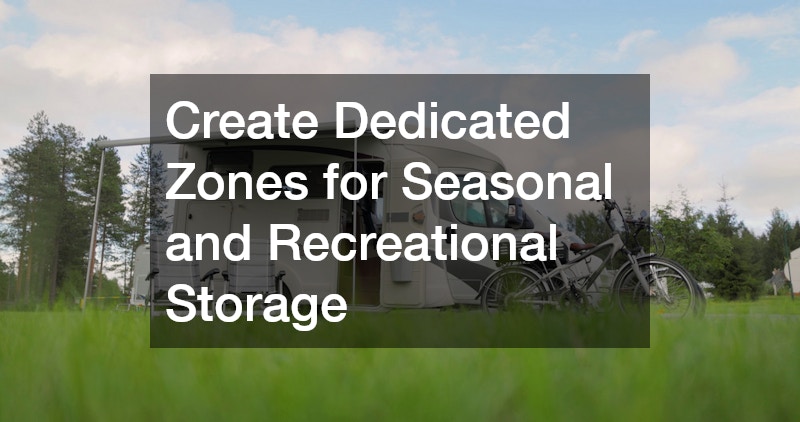
Without designated zones, items tend to migrate and pile up in random areas. Creating specific storage zones ensures everything has a clear home. This structure reduces daily frustration and makes it easier to maintain organization over time.
How to create effective storage zones:
- Assign specific areas for each category. Grouping similar items reduces search time and confusion.
- Keep frequently used items accessible. Easy access makes it more likely you’ll stay organized.
- Separate indoor and outdoor items. Prevents dirt and wear from spreading inside your home.
- Use labeled or color-coded bins. Makes identification quick and effortless.
Zoning creates structure and simplifies maintenance. When everything has a place, it’s easier to keep things in order over time. It also reduces the likelihood of items being misplaced or forgotten. Over time, this system becomes second nature and significantly cuts down on daily cleanup.
For larger items, organizing camper storage properly ensures that all accessories and equipment are stored together, making preparation and cleanup more efficient. Instead of searching through multiple locations for hoses, tools, or supplies, everything is centralized and ready to go when you need it. This not only saves time before trips but also reduces frustration and last-minute scrambling.
This approach also helps prevent damage and loss by keeping everything in a controlled, designated area. When items are stored loosely or scattered, they’re more likely to be misplaced, exposed to weather, or damaged over time. Keeping everything contained—preferably in labeled bins or compartments—adds an extra layer of protection and makes routine maintenance easier.
It’s especially useful for families who frequently travel or use recreational equipment throughout the year. Having a consistent system in place means packing and unpacking become more of a routine than a chore. Over time, this level of organization can also extend the lifespan of your equipment, since items are stored properly and handled more carefully.
Use Smart Outdoor Structures to Expand Storage Capacity
When your existing storage space isn’t enough, adding an outdoor structure can provide a practical long-term solution. The key is to use the space strategically rather than simply filling it. Without proper planning, even large storage areas can quickly become cluttered.
Planning and organizing your structure:
- Determine the size based on current and future needs. Prevents overcrowding as your storage needs grow.
- Choose an accessible location. Easy access increases usability and convenience.
- Divide the interior into zones. Keeps large spaces organized and manageable.
- Use vertical storage wherever possible. Maximizes space and reduces floor clutter.
A pole barn is especially effective for storing large items like equipment and vehicles. When organized properly, it reduces pressure on your home while keeping everything accessible and protected. It also gives you flexibility to adapt the space as your storage needs evolve. Investing in a well-planned structure can prevent years of clutter buildup and create a more efficient overall system.
Optimize Indoor Storage with Custom Built-In Solutions

Indoor clutter is often the result of inefficient storage rather than too many belongings. Improving your storage design can make a significant difference. Small adjustments to how space is used can have a major impact on daily functionality.
Where built-ins make the biggest impact:
- Kitchens with limited cabinet space. Custom layouts improve accessibility and reduce overcrowding.
- Closets lacking proper organization. Shelving and dividers maximize usable space.
- Entryways that collect daily clutter. Built-in storage keeps essentials contained.
- Garages without structure. Cabinets and wall systems improve efficiency.
Working with a custom cabinetry service allows you to create storage solutions tailored to your specific needs. These improvements not only reduce clutter but also make your home more functional and visually appealing. Over time, well-designed storage systems can also reduce stress by making everyday tasks more efficient. They also help maintain a cleaner appearance, since everything has a defined and concealed space.
Clear and Reclaim Outdoor Space for Better Organization
Outdoor clutter can limit how you use your property and make it harder to maintain overall organization. Overgrown areas and scattered debris can quickly turn usable space into wasted space. Reclaiming these areas opens up new opportunities for storage and functionality.
Steps to reclaim your space:
- Remove debris and unused materials. Instantly improves usability and appearance.
- Define zones for storage and activity. Prevents clutter from spreading across the property.
- Maintain the area regularly. Keeps clutter from building back up over time.
Reclaiming space may require more extensive work. Land clearing can remove overgrowth and create usable space, while a tree removal service helps eliminate hazards and open up your layout. These improvements not only enhance organization but also improve safety and accessibility across your property. A well-maintained outdoor area can also increase property value and usability for future projects.
Streamline Moving or Downsizing to Avoid Future Clutter
Moving is a perfect opportunity to start fresh and eliminate unnecessary items. Instead of packing everything, focus on what truly adds value. Being intentional during this process can prevent clutter from following you into your new space.
How to declutter before moving:
- Sort items well in advance. Reduces stress and rushed decisions.
- Only pack what you truly need. Prevents unnecessary clutter in your new space.
- Label boxes clearly. Makes unpacking more efficient.
- Dispose of unwanted items beforehand. Keeps your move streamlined and organized.
Using moving services can simplify logistics and allow you to focus on making intentional choices about your belongings. This approach helps ensure your new space starts off organized. It also makes the transition smoother and less overwhelming. A well-planned move can set the tone for long-term organization in your new home.
Maintain a Clutter-Free System with Ongoing Removal Habits
Decluttering is not a one-time task—it’s something that needs to be maintained over time. Small, consistent habits make the biggest difference. Without maintenance, even the best systems will eventually break down.
Habits that keep clutter under control:
- Put items back immediately after use. Prevents small messes from turning into larger ones.
- Follow a “one in, one out” rule. Keeps your total number of items balanced.
- Schedule regular cleanouts. Prevents buildup and keeps your space manageable.
- Involve everyone in the household. Shared responsibility leads to long-term success.
For ongoing maintenance, garbage removal services can help handle periodic cleanups, while a dumpster rental is ideal for larger seasonal decluttering projects. Staying consistent ensures your space remains organized without requiring major resets. Over time, these habits become second nature, making organization easier to maintain and less time-consuming.
Reducing clutter and maximizing storage isn’t about perfection—it’s about creating systems that support your daily life. By taking a thoughtful and consistent approach, you can turn even the most overwhelming spaces into organized, functional environments.
The most important step is simply getting started. With the right strategies and a commitment to maintaining them, you’ll create a space that stays clean, efficient, and easy to manage long-term. Even small improvements—like clearing one area or implementing one new habit—can create momentum that leads to larger, lasting changes.
It’s also important to remember that organization is not a one-size-fits-all process. What works for one home or property may not work for another, so it’s worth taking the time to adapt these strategies to fit your specific needs, routines, and space limitations. The more personalized your systems are, the more likely you are to stick with them.
Over time, consistent decluttering and intentional storage habits will reduce stress, improve efficiency, and make your space more enjoyable to live in. Instead of constantly managing clutter, you’ll be able to focus on using your space in a way that supports your lifestyle. With patience and consistency, maintaining an organized environment becomes less of a chore and more of a natural part of your routine.