
Introduction: Why Proactive Home Maintenance Is One of the Best Investments You Can Make
A home is one of the largest investments most people will ever make. Whether you recently purchased a property or have owned one for many years, protecting that investment requires more than simply reacting to problems as they arise. Successful homeowners understand that preventative maintenance, timely repairs, and strategic improvements play a major role in preserving comfort, safety, efficiency, and long-term property value.
Many expensive repairs begin as small, easily overlooked issues. A minor plumbing leak can lead to extensive water damage. A neglected roof can allow moisture to enter the structure. An inefficient heating or cooling system can gradually increase energy costs while reducing comfort. By identifying and addressing concerns early, homeowners can often avoid much larger expenses in the future.
Modern homes rely on a network of interconnected systems that work together to support daily living. Heating and cooling equipment regulates indoor temperatures. Water systems provide clean water and remove waste. Roofing and drainage systems protect the structure from weather-related damage. Exterior surfaces contribute to both safety and curb appeal.
The key to long-term property protection is developing a proactive approach. Regular inspections, seasonal maintenance, and carefully planned upgrades help homeowners reduce risk while improving overall performance. Rather than waiting for failures to occur, proactive maintenance focuses on preventing problems before they become emergencies.
In addition to reducing repair costs, preventative care can improve energy efficiency and enhance resale value. Buyers often place greater value on homes with documented maintenance histories and well-maintained systems because they are less likely to encounter unexpected expenses after purchase.
This guide explores several critical areas of homeownership and highlights practical strategies that can help protect your property while improving reliability, comfort, and long-term value.
Build a Reliable Maintenance Plan for Your Home’s Most Important Systems
One of the most effective ways to protect a home is by creating a structured maintenance plan. Without a system in place, it becomes easy to overlook important inspections and minor repairs that can eventually lead to costly problems.
A comprehensive maintenance plan should include:
- Monthly inspections
- Seasonal maintenance tasks
- Annual professional evaluations
- Long-term replacement planning
- Emergency preparedness measures
Homeowners should prioritize systems that have the greatest impact on safety and functionality.
High-priority areas often include:
- Heating and cooling equipment
- Plumbing systems
- Roofing components
- Drainage systems
- Water supply equipment
Keeping detailed records can be extremely valuable.
Helpful documents include:
- Service invoices
- Inspection reports
- Equipment warranties
- Maintenance schedules
- Upgrade records
Benefits of organized maintenance records include:
- Easier troubleshooting
- Better budgeting
- Improved resale value
- Reduced risk of missed service intervals
Another important aspect of preventative maintenance is recognizing warning signs early.
Examples include:
- Unusual noises
- Rising utility bills
- Water stains
- Reduced system performance
- Visible deterioration
The sooner a problem is identified, the easier and less expensive it is often to resolve.
Improve Heating and Cooling Efficiency Before Problems Escalate
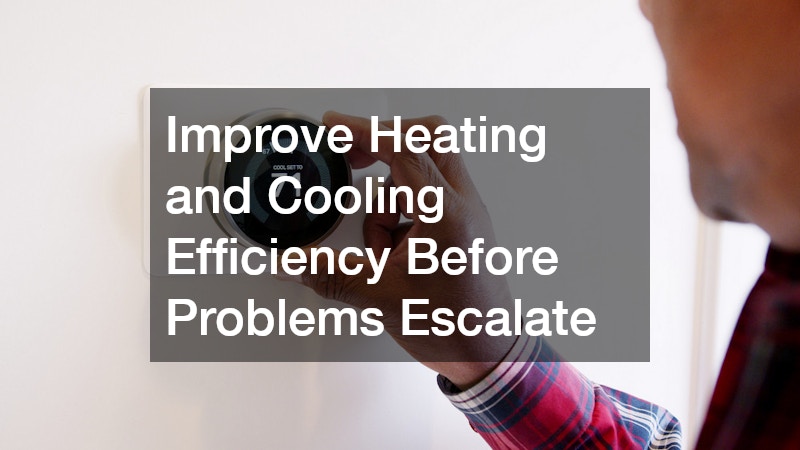
Heating and cooling systems account for a significant portion of household energy consumption. Because these systems operate throughout the year, regular maintenance is essential for maintaining efficiency and reliability.
Working with an experienced HVAC contractor helps homeowners identify potential issues before they develop into major repairs.
Common warning signs include:
- Uneven temperatures
- Poor airflow
- Frequent cycling
- Strange noises
- Rising utility costs
Routine inspections often include:
- Airflow testing
- Thermostat calibration
- Electrical inspections
- Component cleaning
- System performance evaluations
Timely air conditioning repairs can prevent minor issues from escalating into complete system failures during the hottest months of the year.
Common cooling problems include:
- Refrigerant leaks
- Dirty coils
- Electrical malfunctions
- Condensate drainage issues
- Blower motor problems
Benefits of regular maintenance include:
- Improved comfort
- Lower energy costs
- Better indoor air quality
- Reduced repair expenses
- Extended equipment lifespan
Homeowners can further improve efficiency by:
- Replacing air filters regularly
- Sealing air leaks
- Improving insulation
- Using programmable thermostats
Maintaining heating and cooling equipment proactively helps ensure reliable performance while reducing long-term ownership costs.
Prepare for Colder Months by Addressing Heating System Concerns Early
Heating systems work hardest during the coldest months of the year. Unfortunately, this is often when homeowners discover maintenance issues that could have been addressed much earlier.
Professional furnace repair services help ensure equipment operates safely and efficiently before winter weather arrives.
Warning signs that heating systems may require attention include:
- Uneven heating
- Unusual odors
- Excessive noise
- Delayed startup
- Frequent cycling
Routine maintenance tasks often include:
- Cleaning components
- Inspecting burners
- Testing safety controls
- Evaluating airflow
- Checking electrical connections
Benefits of preventative heating maintenance include:
- Improved energy efficiency
- Enhanced reliability
- Lower operating costs
- Better indoor comfort
- Reduced emergency repairs
Homeowners should also pay attention to supporting factors such as:
- Insulation quality
- Air sealing
- Thermostat performance
- Ventilation systems
Preparing heating equipment before peak demand periods helps reduce stress on the system and minimizes the risk of mid-season breakdowns.
Prevent Water Damage by Monitoring Plumbing Infrastructure
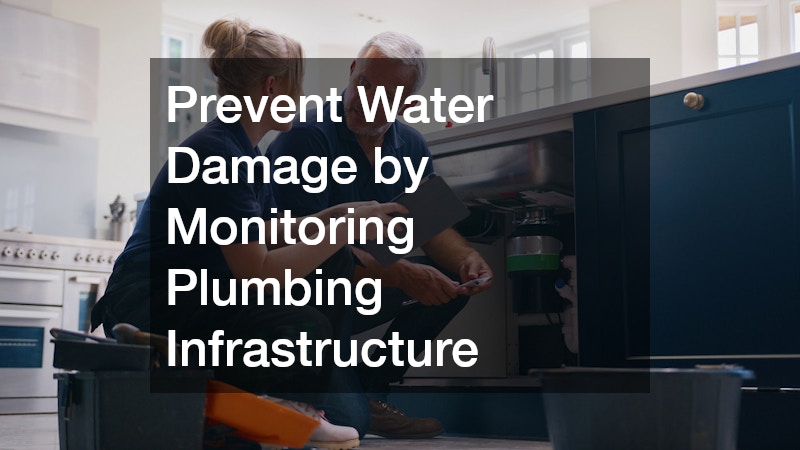
Plumbing systems are among the most important yet often overlooked components of a home. Because much of the plumbing network is hidden behind walls, beneath floors, or underground, small issues can remain unnoticed for extended periods. Unfortunately, even minor leaks can eventually cause significant structural damage if left unresolved.
Professional plumbing services help homeowners identify and address concerns before they become expensive emergencies.
Common plumbing problems include:
- Dripping faucets
- Running toilets
- Hidden leaks
- Low water pressure
- Slow drains
Warning signs that should never be ignored include:
- Unexplained increases in water bills
- Water stains on walls or ceilings
- Musty odors
- Reduced fixture performance
- Mold or mildew growth
Routine inspections can help uncover hidden problems early.
Areas that deserve regular attention include:
- Under-sink plumbing
- Appliance water lines
- Water shutoff valves
- Visible pipe connections
- Exterior hose bibs
Benefits of preventative plumbing maintenance include:
- Reduced water waste
- Lower utility costs
- Improved reliability
- Prevention of water damage
- Longer system lifespan
Homeowners can also improve efficiency by upgrading fixtures and appliances.
Examples include:
- Low-flow faucets
- High-efficiency toilets
- Water-saving showerheads
- Smart leak detection devices
Addressing plumbing issues proactively helps protect the home while reducing the likelihood of costly repairs.
Ensure Reliable Water Access and Protect Essential Equipment
Homes that rely on private wells depend heavily on properly functioning pump systems. A well pump is responsible for delivering water from underground sources to the home, making it one of the most important pieces of equipment on the property.
Professional well pump services help maintain reliable water delivery while preventing unexpected interruptions.
Common warning signs of pump problems include:
- Low water pressure
- Air sputtering from faucets
- Inconsistent water flow
- Higher electricity usage
- Unusual pump noises
Potential causes of performance issues include:
- Worn pump components
- Pressure tank problems
- Electrical failures
- Water table fluctuations
- Sediment buildup
Routine maintenance often includes:
- Pressure testing
- Electrical inspections
- Performance monitoring
- Water quality evaluations
- Equipment inspections
Benefits of preventative maintenance include:
- Improved reliability
- Better water pressure
- Reduced repair costs
- Longer equipment lifespan
- Early detection of developing issues
Homeowners should also pay attention to water quality changes.
Indicators that further evaluation may be needed include:
- Changes in taste
- Unusual odors
- Cloudy appearance
- Sediment accumulation
Protecting the well system ensures a dependable water supply while minimizing the risk of unexpected equipment failure.
Maintain Consistent Hot Water and Reduce Utility Costs
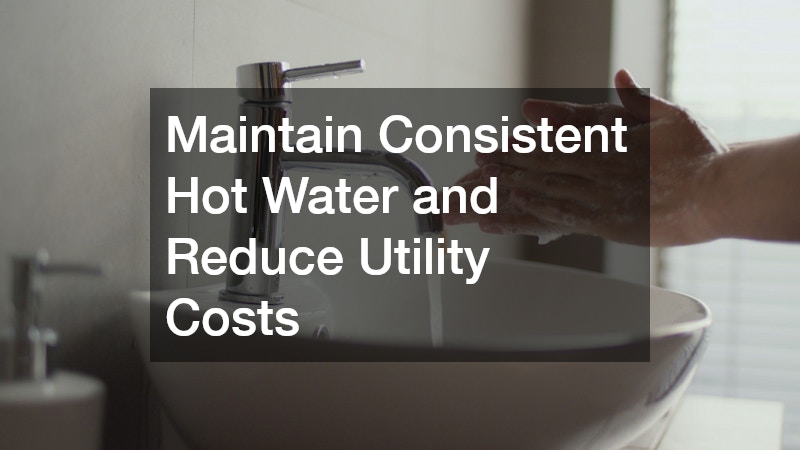
Few home systems contribute more directly to everyday comfort than the water heater. Hot water supports bathing, cooking, cleaning, and numerous other daily activities. When performance declines, inconvenience and higher operating costs often follow.
Routine water heater services help improve efficiency and extend equipment lifespan.
Common warning signs of water heater problems include:
- Inconsistent water temperatures
- Reduced hot water availability
- Strange noises
- Rust-colored water
- Visible leaks
One of the most common causes of reduced efficiency is sediment accumulation inside the tank.
Over time, mineral deposits can:
- Reduce heating efficiency
- Increase energy consumption
- Cause overheating
- Shorten equipment lifespan
Preventative maintenance often includes:
- Tank flushing
- Valve inspections
- Temperature setting evaluations
- Leak detection
- Component testing
Benefits of regular service include:
- Improved efficiency
- Lower utility costs
- Better performance
- Extended equipment life
- Reduced risk of unexpected failure
Homeowners should also consider equipment age when evaluating repair options. Older units often become less efficient and more expensive to maintain.
Maintaining water heating equipment proactively helps ensure reliable performance while controlling long-term operating expenses.
Protect Your Property from Wastewater and Drainage Issues
For homes with septic systems, proper maintenance is essential to protecting both the property and the surrounding environment. Because septic systems operate largely out of sight, many homeowners underestimate the importance of routine care.
Regular septic system cleaning helps prevent backups, odors, and costly system failures.
Common warning signs of septic problems include:
- Slow drains
- Sewage odors
- Standing water near the drain field
- Gurgling plumbing fixtures
- Unusually lush grass over system components
Routine maintenance helps remove accumulated solids before they interfere with system performance.
Benefits of regular service include:
- Improved wastewater processing
- Reduced backup risk
- Extended system lifespan
- Lower repair costs
- Better environmental protection
Homeowners can also protect septic systems through responsible usage habits.
Recommended practices include:
- Conserving water
- Avoiding grease disposal
- Limiting harsh chemicals
- Keeping vehicles off drain fields
- Scheduling regular inspections
Additional preventative measures include:
- Maintaining accurate service records
- Monitoring drain field conditions
- Addressing plumbing leaks promptly
- Managing stormwater runoff effectively
A properly maintained septic system can provide reliable performance for many years while helping homeowners avoid some of the most expensive underground repairs.
Strengthen Exterior Protection Against Weather and Moisture
The roof is one of the most important protective components of any home. It serves as the first line of defense against rain, snow, wind, heat, and other environmental conditions. When roofing materials begin to deteriorate, the entire structure becomes more vulnerable to water intrusion and structural damage.
Many homeowners delay major roofing projects because they can represent a significant investment. However, postponing necessary roof replacement often results in even greater costs later.
Common signs that a roof may be nearing the end of its useful life include:
- Missing or damaged shingles
- Curling or buckling roofing materials
- Water stains on ceilings
- Frequent leaks
- Excessive granule loss
A deteriorating roof can contribute to numerous problems, including:
- Mold growth
- Insulation damage
- Structural deterioration
- Increased energy costs
- Interior water damage
Regular inspections help homeowners identify concerns before major failures occur.
Professional evaluations often focus on:
- Shingle condition
- Flashing integrity
- Ventilation performance
- Drainage effectiveness
- Structural stability
Benefits of replacing an aging roof include:
- Improved weather protection
- Better energy efficiency
- Enhanced curb appeal
- Increased property value
- Reduced maintenance costs
Modern roofing materials often provide improved durability and efficiency compared to older systems. Investing in roofing improvements protects not only the structure itself but also every system and finish located beneath it.
Improve Accessibility, Safety, and Long-Term Surface Performance
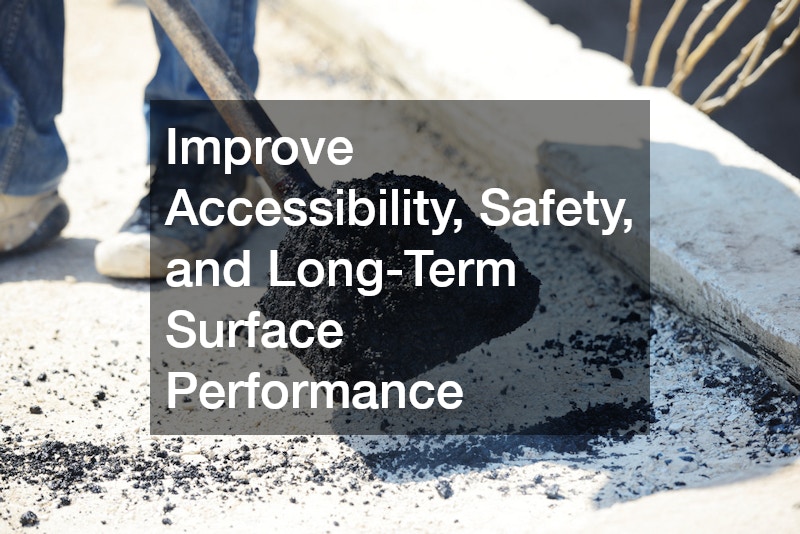
Driveways and paved surfaces are often overlooked when homeowners think about property maintenance. However, these surfaces play an important role in both functionality and curb appeal.
Working with an experienced asphalt contractor can help homeowners preserve pavement condition while preventing more extensive deterioration.
Several factors contribute to pavement damage, including:
- Freeze-thaw cycles
- Water infiltration
- Heavy vehicle traffic
- UV exposure
- Improper drainage
Common warning signs of pavement deterioration include:
- Cracks
- Surface depressions
- Potholes
- Drainage problems
- Edge breakdown
Routine maintenance strategies include:
- Sealcoating
- Crack filling
- Drainage improvements
- Surface cleaning
- Periodic inspections
Benefits of proactive pavement maintenance include:
- Extended surface lifespan
- Improved appearance
- Better safety
- Reduced repair costs
- Enhanced property value
Drainage management is particularly important because standing water often accelerates pavement deterioration.
Homeowners should also inspect paved surfaces regularly for early signs of wear. Addressing small cracks quickly is usually much less expensive than replacing large sections of damaged pavement.
Well-maintained driveways and walkways contribute to a property’s overall appearance while improving safety and functionality.
Reduce Stress During Major Life Transitions and Relocations
Moving is one of the most significant events many homeowners experience. Whether relocating across town or across the country, careful planning can help reduce stress and protect both personal belongings and the property itself.
Professional moving services can simplify the relocation process while minimizing the risk of damage.
Before a move, homeowners should evaluate:
- Property condition
- Utility systems
- Storage needs
- Transportation logistics
- Maintenance requirements
Important preparation tasks include:
- Inspecting major systems
- Documenting property condition
- Updating utility information
- Organizing maintenance records
- Scheduling necessary repairs
Moving also presents an opportunity to evaluate the overall condition of a property.
Homeowners may choose to:
- Address deferred maintenance
- Upgrade aging systems
- Improve curb appeal
- Complete repairs before listing
For individuals moving into a new home, initial inspections should focus on:
- Plumbing systems
- Heating and cooling equipment
- Roofing condition
- Drainage systems
- Safety features
Maintaining organized records during a move helps ensure a smoother transition while supporting future maintenance planning.
Increase Home Value Through Consistent Care and Smart Improvements
Property value depends heavily on condition, functionality, and buyer confidence. Homes that demonstrate consistent maintenance typically attract stronger interest and may command higher prices when sold.
Buyers often evaluate:
- Mechanical systems
- Roofing condition
- Plumbing infrastructure
- Exterior appearance
- Maintenance history
Consistent care provides several advantages:
- Improved reliability
- Better efficiency
- Reduced inspection concerns
- Enhanced curb appeal
- Greater marketability
Helpful documentation includes:
- Inspection reports
- Service records
- Warranty information
- Upgrade histories
High-value improvements often include:
- Energy-efficiency upgrades
- Roofing improvements
- Plumbing updates
- Heating and cooling enhancements
- Drainage improvements
The combination of preventative maintenance and strategic upgrades helps create a home that is both enjoyable to live in and attractive to future buyers.
Conclusion: Protecting Your Home Through Smart Planning and Preventative Care
Protecting a home requires ongoing attention, planning, and a commitment to preventative maintenance. While repairs are sometimes unavoidable, many costly problems can be prevented through routine inspections, timely service, and strategic improvements. By focusing on proactive care rather than reactive repairs, homeowners can preserve comfort, safety, efficiency, and long-term property value.
Creating a structured maintenance plan, maintaining organized records, and budgeting for future needs all support long-term success. By combining preventative care with thoughtful upgrades, homeowners can reduce stress, avoid costly surprises, and enjoy greater confidence in the condition of their property.
Ultimately, protecting a home is an ongoing process. Through consistent attention, informed decision-making, and proactive maintenance, homeowners can create safer, more efficient, and more valuable living environments that continue to perform well for many years to come.