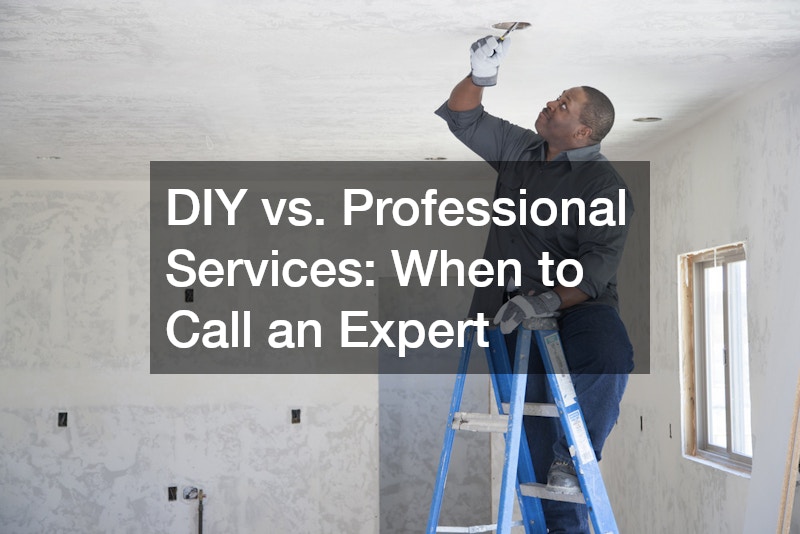
Deciding whether to tackle a home improvement project yourself or hire a professional is not always straightforward. Homeowners often weigh the benefits of cost savings and personal satisfaction against the risks of mistakes, delays, and safety concerns. From small fixes to major renovations, understanding the differences between DIY and professional services helps homeowners make informed decisions tailored to their skills, budget, and time constraints.
Whether you’re considering water heater repairs, window installation, or even roof replacement, knowing when to call an expert ensures a safer and more effective project outcome. In this guide, we’ll explore all aspects of this decision-making process, including costs, risks, tools, and the benefits of hiring plumbing contractors, local HVAC contractors, or spray foam insulation contractors.
What Is The Cost Difference Between DIY And Professional Services?

Upfront Costs
One of the most noticeable differences between DIY and professional services is the upfront cost. DIY projects often require purchasing tools, materials, and safety equipment, which can add up quickly. For example, performing a water heater installation yourself may save on labor, but the initial purchase of specialized tools and materials can be substantial. Conversely, hiring plumbing contractors or local HVAC contractors usually involves a higher upfront payment, but they provide professional-grade materials and equipment included in the cost.
Long-Term Savings
While DIY can reduce immediate expenses, long-term savings are sometimes greater when hiring professionals. Experts ensure that installations, such as hvac installation or solar panel setup, are performed correctly, preventing costly repairs in the future. Mistakes in DIY projects may lead to recurring expenses that outweigh the initial savings.
Cost Of Materials
DIY projects often require homeowners to purchase materials individually, sometimes paying more than professionals who benefit from bulk pricing. Professional services typically have access to quality materials for projects like metal roofing, window installation, or spray foam insulation contractors work, reducing the risk of using substandard products.
Hidden Expenses
Hidden costs can surprise DIY enthusiasts. These may include permits, safety equipment, or replacement parts for mistakes. Professional contractors handle permits and inspections for projects like roof replacement or hvac installation, saving homeowners from unforeseen financial burdens.
Opportunity Cost
Time is money, and the opportunity cost of DIY projects should not be ignored. Homeowners may spend weekends and evenings on tasks like plumbing systems or spray foam insulation installation instead of focusing on work or family activities. Hiring professionals frees up valuable time while ensuring a high-quality result.
Financing Options
Many professional services offer financing options for larger projects, such as solar panel installation or metal roofing. DIY projects rarely have the same flexibility, requiring upfront payment for all materials and equipment.
Insurance And Liability Costs
Professional contractors are typically insured, which protects homeowners from liability in case of accidents or damage. Attempting complex DIY projects like window installation or roof replacement without insurance can result in significant financial risk if injuries or property damage occur.
What Are The Risks Of Attempting A DIY Project?
Personal Safety
Safety is a major concern for DIY projects. Tasks involving electricity, gas, or heavy equipment can be hazardous. For example, incorrect hvac installation or water heater replacement can result in serious injuries or fires. Professionals are trained to handle these risks safely.
Quality Of Work
The quality of DIY work can vary depending on skill and experience. Mistakes in plumbing systems or roof replacement can compromise the durability and safety of your home. Hiring professionals ensures reliable and lasting results.
Compliance With Regulations
Building codes and regulations are complex. DIY work may inadvertently violate local ordinances, leading to fines or mandatory rework. Licensed plumbing contractors, local HVAC contractors, and spray foam insulation contractors are knowledgeable about regulations and ensure compliance.
Potential For Damage
Incorrect installation or repair can cause property damage. A poorly installed metal roofing system or incorrectly fitted window installation may lead to leaks, structural issues, and higher repair costs.
Warranty Voids
Many products, including water heater units or solar panel systems, come with warranties that require professional installation. Attempting a DIY installation may void the warranty, leaving you unprotected.
Time Management
DIY projects can take much longer than expected due to learning curves or unforeseen complications. Hiring professionals allows for a more predictable timeline, especially for projects like roof replacement or hvac installation.
Emotional Stress
The pressure of completing a project correctly can cause stress. Dealing with complex tasks like plumbing systems or spray foam insulation contractors work may become overwhelming without prior experience.
How Do I Assess My Skills For A DIY Project?

Self-Evaluation Techniques
Start by honestly assessing your skills. Consider your experience with similar tasks, like water heater repairs or minor window installation projects. Make a realistic judgment about your ability to complete the work safely and efficiently.
Understanding Instructions
Read all manuals and guidelines carefully. DIY projects involving plumbing contractors or local HVAC contractors’ level complexity require clear understanding of instructions and procedures.
Experience Level
Prior experience in similar projects matters. Tasks like roof replacement or hvac installation demand specialized knowledge. Beginners may struggle without professional guidance.
Learning New Skills
Some homeowners enjoy learning new skills, such as metal roofing techniques or spray foam insulation contractors procedures. While educational, it can extend project timelines and increase the chance of mistakes.
Using Online Resources
Online tutorials, forums, and videos are valuable tools for DIYers. Platforms often offer step-by-step instructions for water heater replacement, window installation, or solar panel setup.
Seek Advice From Peers
Consult friends or family with relevant experience. Guidance from someone who has worked with plumbing contractors or local HVAC contractors can help you understand the challenges before starting.
Trial And Error Approach
Some homeowners learn best by trial and error. Start with small tasks before attempting major projects like roof replacement or hvac installation. This approach reduces risk and builds confidence.
What Projects Are Best Left To Professionals?
Structural Changes
Projects affecting the structural integrity of your home, such as wall removal or foundation adjustments, require professional expertise. DIY attempts can compromise safety and lead to costly repairs.
Electrical Work
Electrical systems are complex and dangerous. Tasks involving power supply, like hvac installation, should be left to licensed professionals to avoid hazards.
Plumbing Systems
Complex plumbing work, including water heater installation or repair, is best handled by plumbing contractors. Mistakes can cause leaks, water damage, or flooding.
HVAC Installations
Installing a heating or cooling system requires specialized knowledge. Professional local HVAC contractors ensure efficiency, safety, and compliance with regulations.
Roofing Repairs
Projects such as roof replacement or metal roofing installation involve height, heavy materials, and precision. Professionals have the training and equipment to complete these safely.
Hazardous Material Removal
Tasks like asbestos or mold removal require certified professionals. DIY attempts can expose homeowners to health risks.
High-Investment Projects
Expensive installations, including solar panel systems or large-scale spray foam insulation contractors projects, are safer and more reliable when handled by experts.
How Can DIY Affect The Timeline Of A Project?
Project Planning
Professional contractors follow structured project plans. DIY efforts may lack this organization, causing delays in projects like window installation or water heater replacement.
Learning Curves
Unfamiliar tasks, such as hvac installation or metal roofing, require time to learn. This can extend the project timeline significantly.
Setbacks And Delays
Unexpected challenges, such as material shortages or mistakes, can slow progress. Professionals anticipate and manage these issues efficiently.
Efficiency And Expertise
Experienced contractors complete projects faster without sacrificing quality. For example, plumbing contractors can install complex systems in a fraction of the time it takes a DIYer.
Balancing Time And Quality
DIYers may prioritize time over quality or vice versa. Professionals maintain a balance, ensuring roof replacement or solar panel installations are done correctly and timely.
Handling Unexpected Challenges
Unexpected problems, such as structural damage uncovered during a window installation, are more easily managed by professionals.
Scheduling Flexibility
Professional services offer flexible scheduling and can often accommodate emergencies, such as 24 hour emergency plumbing needs, reducing homeowner stress.
What Tools And Equipment Might Be Required For DIY?
Basic Tool Kit Essentials
A basic set of hand tools is necessary for most DIY projects. Items like hammers, screwdrivers, and pliers are essential for tasks including water heater repairs or minor window installation.
Specialized Equipment
Complex projects may require specialized tools, such as pipe wrenches for plumbing contractors, or insulation sprayers for spray foam insulation contractors.
Safety Gear
Proper safety equipment is critical, especially for roof replacement, metal roofing, or hvac installation. Helmets, gloves, goggles, and harnesses protect DIYers from injury.
Renting Vs. Buying
Some tools are expensive and rarely used. Renting equipment for solar panel installation or spray foam insulation contractors projects can be more cost-effective than purchasing.
Maintenance And Storage
Tools must be maintained and stored correctly to ensure longevity and safety. Professionals manage these details as part of their service.
Brand And Quality Considerations
Investing in quality tools ensures reliability. Cheap equipment can lead to substandard results and frustration during hvac installation or plumbing contractors projects.
Cost Implications
The cost of acquiring, maintaining, and replacing tools can accumulate quickly. Professional services often include all necessary equipment in their fees.
How To Find Reliable Professional Services?

Conducting Background Checks
Research professionals’ history and reputation. Look for proven experience in areas like plumbing contractors, hvac installation, and roof replacement.
Certifications And Accreditations
Ensure contractors hold the proper certifications. Licensed local HVAC contractors and spray foam insulation contractors demonstrate competency and reliability.
Reading Reviews And Testimonials
Customer feedback provides insight into quality and reliability. Check reviews for experiences with 24 hour emergency plumbing, window installation, and metal roofing services.
Asking For Referrals
Friends, family, and neighbors can recommend trusted professionals. Personal experiences often identify dependable plumbing contractors and hvac installation experts.
Price Comparisons
Compare quotes carefully. Look beyond the bottom line to evaluate value, materials, and warranties for services like solar panel installation or roof replacement.
Evaluating Customer Service
A company’s communication, responsiveness, and professionalism are crucial. Efficient handling of inquiries reflects quality in 24 hour emergency plumbing or window installation projects.
Checking Licensing And Insurance
Always verify credentials. Licensed and insured contractors protect you from liability in cases of accidents or damage.
What Are The Advantages Of DIY Versus Hiring Professionals?
Cost Savings
DIY can reduce labor costs for smaller projects, such as simple window installation or minor water heater repairs.
Personal Satisfaction
Completing a project yourself provides a sense of accomplishment. Projects like spray foam insulation contractors work can be personally rewarding when done successfully.
Skill Development
DIY allows you to develop new skills for future projects, from metal roofing to solar panel maintenance.
Flexibility In Planning
DIY projects offer the flexibility to work at your own pace and schedule.
Customized Solutions
Homeowners can personalize their projects according to specific tastes, especially in tasks like window installation or hvac installation.
Family Involvement
DIY encourages teamwork, allowing family members to contribute to projects and learn new skills.
Adaptability To Changes
DIYers can make adjustments on the fly, altering designs or approaches without waiting for contractor approval.
How Does One Ensure Quality In DIY Projects?
Research And Preparation
Thorough research and preparation are key to a successful water heater repair or spray foam insulation contractors project.
Double-Checking Work
Regularly verify measurements and procedures to avoid mistakes.
Use Of Quality Materials
High-quality materials, such as metal roofing panels or solar panel components, ensure durability and performance.
Seeking Feedback
Ask knowledgeable peers for guidance on projects like plumbing contractors or hvac installation.
Learning From Mistakes
Mistakes provide opportunities to improve skills and techniques for future projects.
Keeping An Organized Workspace
Organization reduces errors and improves efficiency during roof replacement or window installation.
Setting Realistic Expectations
Recognize limitations in skills, time, and resources. Complex tasks may still require professionals for safety and quality.
When Is It More Cost-Effective To Hire Professionals?
Assessing Project Complexity
Complex projects, like hvac installation, roof replacement, or solar panel setup, often justify professional hiring due to technical demands.
Analyzing Time Constraints
Professionals complete tasks efficiently, minimizing disruption to daily routines.
Evaluating Skill Gaps
Hiring experts addresses knowledge gaps for projects such as plumbing contractors work or spray foam insulation contractors projects.
Considering Potential Risks
Risky jobs, including metal roofing or 24 hour emergency plumbing, are safer with trained professionals.
Long-Term Maintenance Costs
Professional installations reduce future repair costs for systems like water heater or hvac installation.
Comparing Material Costs
Professionals often supply higher-quality materials at a reasonable price, ensuring durability and performance.
Understanding Market Rates
Knowing average costs helps homeowners avoid overpaying for services like window installation, roof replacement, or solar panel installation.
Deciding between DIY and professional services involves a careful evaluation of costs, skills, safety, and time. While DIY offers satisfaction and potential savings for simple projects, complex tasks such as hvac installation, roof replacement, or plumbing contractors work are often safer and more reliable when handled by professionals.
Understanding your abilities, risks, and project requirements helps you make informed choices. By weighing the advantages and drawbacks, homeowners can achieve quality results, maintain safety, and protect long-term investments. Whether tackling spray foam insulation contractors projects or upgrading to solar panel systems, the right balance between DIY and professional services ensures your home improvement endeavors are successful and stress-free.