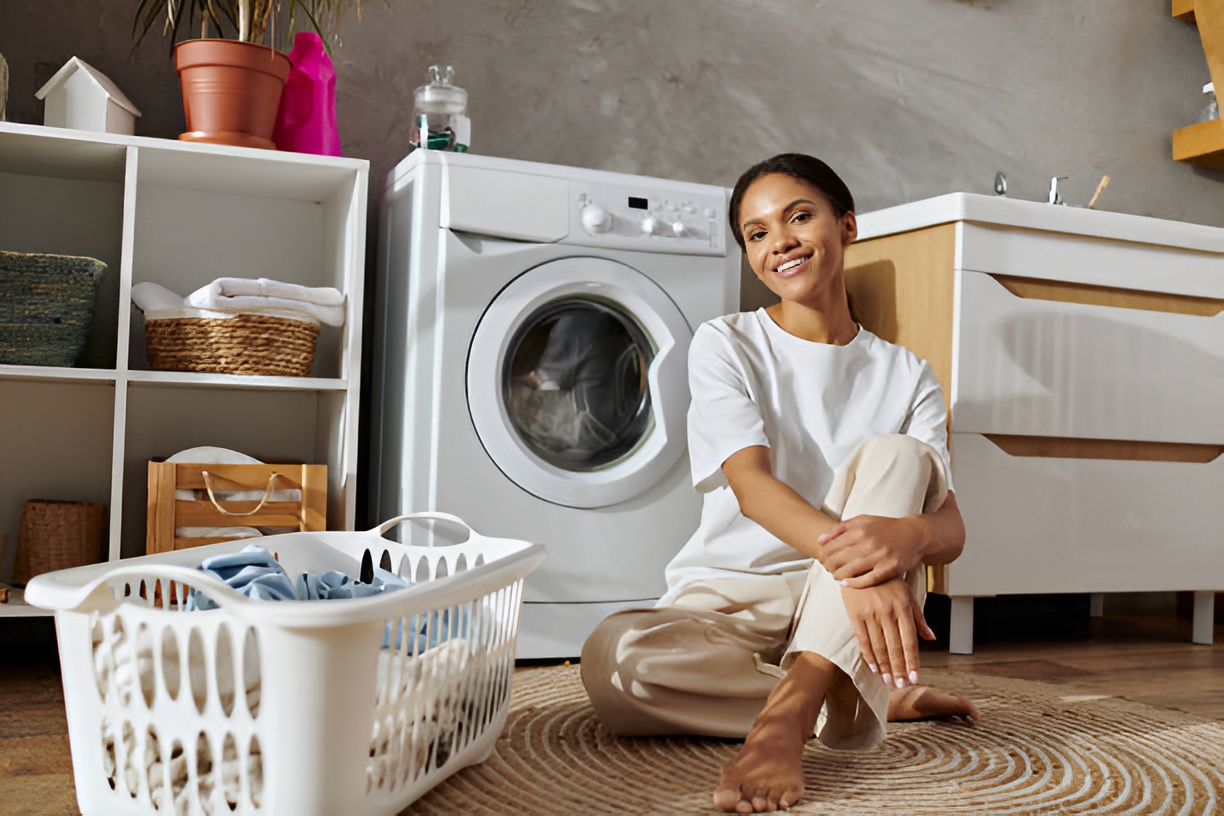

- Declutter and Start Fresh: Remove unused items, expired detergents, and miscellaneous clutter to create a clean slate before organizing.
- Zone Your Laundry Room: Separate spaces for washing, drying, folding, and storage streamline workflow and reduce chaos.
- Maximize Storage: Use shelves, baskets, hooks, rolling carts, and stackable solutions to make the most of your space, whether small or large.
- Label and Organize: Clear labels on bins, shelves, and baskets make items easy to find and maintain long-term order.
- Create an Efficient Workflow: Position appliances strategically, keep essentials within reach, and dedicate areas for folding and ironing.
- Family-Friendly Systems: Use multiple hampers, color-coded baskets, and accessible storage to involve kids and manage family laundry effectively.
- Maintain and Refresh Regularly: Establish routines for tidying, rotating seasonal items, and checking appliances to keep the laundry room functional and clutter-free.
Laundry is one of those household chores that never really ends, but having a well-organized laundry room can make the task less stressful and even enjoyable. From small apartments to large family homes, the right setup can save time, reduce clutter, and make wash day a breeze. In this ultimate guide, we’ll cover everything from basic organization tips to clever storage hacks, so you can finally take control of your laundry space.
Why Organizing Your Laundry Room Matters
Many people underestimate how much an organized laundry room can impact daily life. A chaotic laundry area can lead to misplaced socks, overstuffed hampers, and endless frustration. On the other hand, an organized space improves workflow, reduces stress, and can even make laundry day faster.
When planning your laundry room organization, consider both function and efficiency. Think about how often you use the space, what items need to be accessible, and how much storage you have. A little planning upfront can save hours each week.
How to Organize Laundry Room in a Small Space
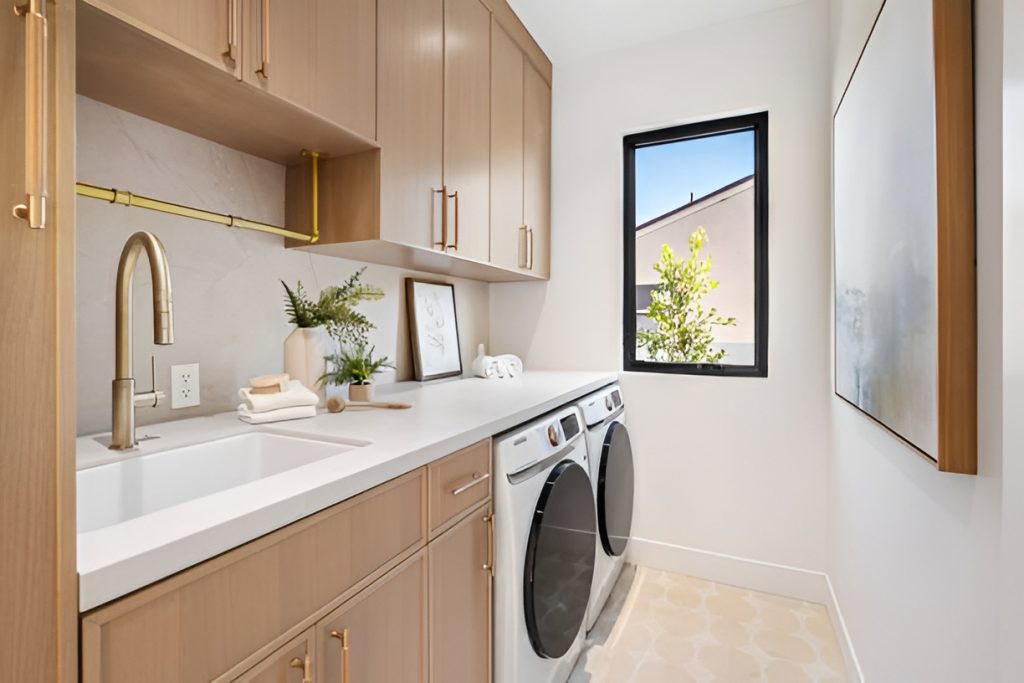
Even if your laundry area is tiny, you can still make it functional and stylish. Here are some key strategies:
- Go vertical: Install shelves or wall-mounted cabinets above the washer and dryer. Stackable laundry baskets can also help save floor space.
- Use fold-down drying racks: Wall-mounted drying racks fold flat against the wall when not in use.
- Consider a rolling cart: A slim, rolling cart can fit between appliances or along the wall, providing extra storage for detergents and cleaning supplies.
- Hang hooks and rods: Hooks are perfect for hanging ironing boards, mops, and laundry bags. Tension rods can hold hangers for air-drying clothes.
Even a compact laundry space can be efficient if you use the right mix of storage and clever layouts.
How to Organize Laundry Room on a Budget
Organizing your laundry room doesn’t have to cost a fortune. Simple hacks and DIY solutions can have a huge impact without breaking the bank:
- Repurpose household items: Mason jars or old shoeboxes make excellent storage for small items like detergent pods, dryer sheets, and clothespins.
- Dollar-store solutions: Look for bins, baskets, and labels at budget stores to create a neat, cohesive look.
- DIY shelving: Floating shelves can be installed with minimal tools and provide extra storage space.
- Secondhand finds: Check thrift stores or online marketplaces for cabinets, carts, and laundry baskets.
With some creativity, you can get a functional and stylish laundry room without spending a lot.
How to Organize Laundry Room for Families
Laundry multiplies fast in a household with kids. Managing clothes for everyone can feel overwhelming, but the right system makes it manageable:
- Multiple hampers: Assign a hamper to each family member or type of laundry (lights, darks, delicates).
- Color-coded baskets: Use colored baskets to help kids sort their clothes easily.
- Accessible storage: Keep everyday items like detergent and stain removers within reach.
- Create a folding station: A counter or table near the washer/dryer makes folding and sorting easier.
These strategies streamline laundry day and can even involve the whole family in the process.
How to Organize Laundry Room Step by Step
If you’re starting from scratch, breaking the process into clear steps can make it feel less overwhelming and more manageable. Here’s a detailed approach to get your laundry room in order:
1. Declutter:
Start by clearing everything out of your laundry room. Remove old, expired detergents, fabric softeners, and cleaning products that are no longer needed. Check your shelves and cabinets for miscellaneous items like old rags, empty containers, or anything unrelated to laundry. The goal is to start with a clean slate so you can make intentional organizational choices rather than trying to fit everything back in haphazardly.
2. Zone your space:
Think about your laundry room in “zones” to keep tasks organized and efficient. Typical zones include:
- Washing zone: Washer, detergents, and stain treatments.
- Drying zone: Dryer, drying racks, or clothesline.
- Folding zone: Countertop, table, or flat surface for folding laundry.
- Storage zone: Shelves, cabinets, or bins for laundry supplies and extra linens.
By defining these zones, you’ll know exactly where everything belongs and reduce the chance of clutter building up.
3. Invest in storage solutions:
The right tools make a huge difference. Shelves, baskets, hooks, and small organizers help keep everything in its place. Consider:
- Stackable laundry baskets to save floor space.
- Pull-out drawers or bins for small items like socks or clothespins.
- Hooks or racks for ironing boards, mops, or reusable bags.
Even small investments in functional storage can pay off in terms of time saved and stress avoided.
4. Label everything:
Labels might seem trivial, but they are essential for keeping things organized over time. Use clear, readable labels on bins, shelves, and baskets to indicate what belongs where. For example: “Whites,” “Colors,” “Delicates,” “Detergents,” or “Stain Removers.” Labels help anyone in the household—kids or partners—quickly find items and put them back in the right place.
5. Establish routines:
Organization is not just about storage; it’s about consistency. Decide on a laundry routine that works for your household, whether it’s doing a load every day or dedicating specific laundry days each week. Include tidying the space as part of the routine: wipe counters, put away supplies, and straighten baskets after each use. A little effort daily prevents clutter from sneaking back in.
How to Organize Laundry Room for Maximum Efficiency
Efficiency in a laundry room isn’t just about looking neat—it’s about saving time and reducing extra steps every wash day. A smart workflow makes doing laundry quicker and less stressful. Here’s how to maximize efficiency:
1. Appliance placement:
Position your washer and dryer side by side for a smooth transfer of wet clothes. If space allows, leave a small countertop between them to use as a folding station. For stacked units, consider a pull-out shelf or a portable cart nearby to keep items within reach.
2. Keep essentials close:
Everything you need during laundry—detergent, softener, bleach, and stain removers—should be stored within arm’s reach of your washer and dryer. Avoid placing supplies in faraway cabinets; instead, use a small shelf, rolling cart, or wall-mounted caddy to keep them accessible. This reduces time spent walking back and forth.
3. Folding and ironing space:
Dedicate a flat, convenient surface for folding laundry. This could be a countertop above front-loading machines, a small table, or a fold-down shelf. Keep an ironing board or steamer nearby for quick touch-ups, so you don’t waste time searching for them when clothes are still warm from drying.
4. Sort before washing:
Hampers or laundry bins for different colors and fabrics are essential. Sorting laundry before washing eliminates the need to re-sort later and helps prevent accidental color bleeding. For families, color-coded hampers for each member make it simple for everyone to sort their clothes without confusion.
5. Use bins for small items:
Small items like socks, underwear, and delicate clothing can easily get lost in the shuffle. Use small, labeled bins or mesh bags to keep these items together. This makes it easy to find matching socks and ensures delicates are treated properly, preventing damage or loss.
6. Maintain a workflow:
Think of your laundry room as a mini production line: dirty clothes go into the washer, then the dryer, and finally to the folding or ironing area. Each item should flow smoothly through these steps without unnecessary detours. A thoughtful layout saves time and reduces frustration.
How to Organize Laundry Room With Open Shelving
Open shelving can make a laundry room feel more spacious, but it requires a balance between aesthetics and function:
- Use matching baskets: Keep smaller items organized and hide clutter.
- Label containers: This adds clarity and prevents mix-ups.
- Arrange by frequency: Store everyday items at eye level and rarely used products higher up.
- Add decorative touches: Consider a small plant, framed artwork, or a stylish soap dispenser.
Open shelving works best when items are consistently neat and visually appealing.
How to Organize Laundry Room in a Rental
If you rent your home, permanent changes might not be possible. Fortunately, there are many non-permanent solutions:
- Command hooks and strips: Hang baskets, ironing boards, or cleaning tools without drilling.
- Tension rods: Perfect for hanging drying clothes or creating an extra shelf.
- Portable storage units: Rolling carts or standalone cabinets add storage without modifications.
- Temporary shelving: Freestanding shelves can fit into nooks and corners easily.
These solutions allow you to organize effectively without risking your security deposit.
How to Organize Laundry Room With Kids in Mind
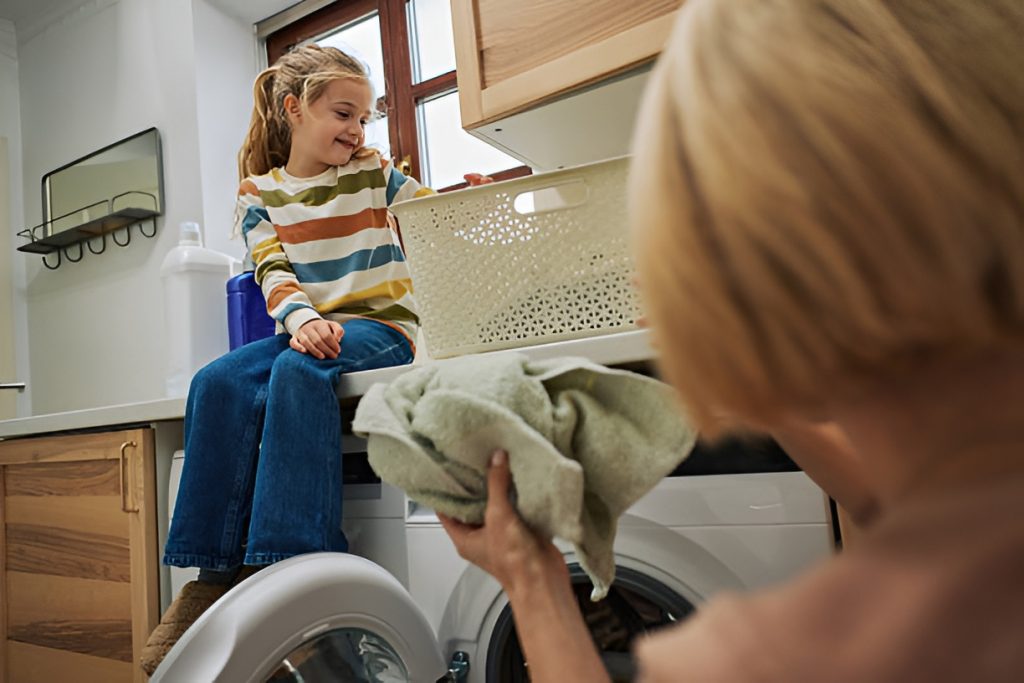
Making your laundry room kid-friendly ensures they can participate safely and independently:
- Low storage: Keep baskets and hampers at a height kids can reach.
- Safety first: Store detergents and cleaning chemicals out of reach or in locked cabinets.
- Involve children in sorting: Teach them to separate colors and fabrics early.
- Visual cues: Use pictures or colored labels to guide sorting.
Engaging kids in laundry teaches responsibility while keeping your space functional.
Laundry Room Organization Mistakes You’re Probably Making
Even the best-intentioned setups can go wrong. Avoid these common pitfalls:
- Overstuffed shelves: Too many items on one shelf make it hard to access things.
- Mixing clean and dirty laundry: Keep separate zones for washed and unwashed items.
- No system for small items: Socks and delicates easily get lost.
- Ignoring maintenance: A clean, organized space requires regular upkeep.
Fixing these mistakes will improve workflow and reduce frustration.
How to Organize Laundry Room for Aesthetics
Organization isn’t just about function—it’s also about making the space enjoyable:
- Coordinate colors: Use matching bins, baskets, and labels.
- Add stylish storage: Woven baskets, glass jars, and decorative containers enhance appeal.
- Keep countertops clear: Minimal clutter makes the room feel bigger.
- Add a personal touch: Artwork, plants, or a rug can make the space feel inviting.
A well-organized laundry room can be both practical and visually pleasing.
How to Organize Laundry Room With Multifunctional Furniture
Maximize space and utility with furniture that serves more than one purpose:
- Folding tables with storage underneath: Provides a surface for folding and extra bins below.
- Cabinet units with pull-out hampers: Keeps laundry sorted and hidden.
- Benches with storage: Offers seating and a place for baskets or detergent.
- Stackable units: Save floor space while providing multiple storage levels.
Multifunctional pieces help small or busy laundry rooms stay organized.
How to Maintain an Organized Laundry Room
Once your laundry room is organized, it’s important to maintain it:
- Weekly tidy-up: Remove empty containers, wipe surfaces, and straighten baskets.
- Rotate seasonal items: Keep seasonal laundry items stored elsewhere when not in use.
- Label and re-label: Labels fade or get dirty over time—replace as needed.
- Inspect appliances: Clean lint traps and check for leaks regularly.
Routine maintenance prevents clutter from creeping back in and keeps your space functional.
Wrapping It Up
A well-organized laundry room can transform one of the most tedious household chores into a smoother, more efficient process. Whether you live in a small apartment, a large family home, or a rental, there are plenty of ways to optimize your laundry area for function, efficiency, and style. By following the strategies outlined in this guide, you can create a space that is easy to use, looks great, and keeps your laundry days stress-free.